The Five-Minute Summit: Surviving Primary Parents’ Evening Without Joining the Corridor Olympics
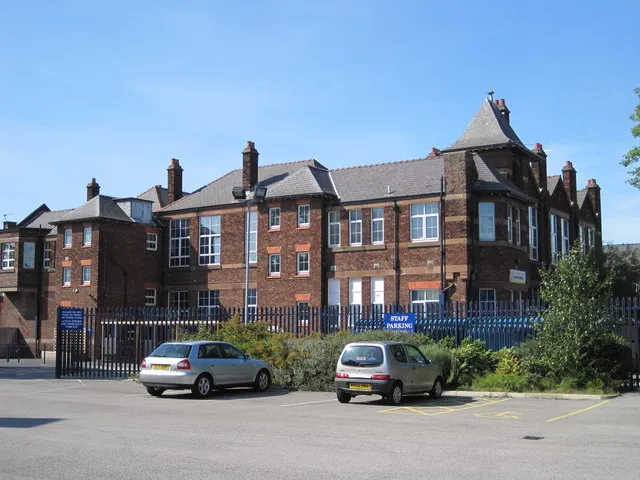
Photo: Sue Adair, CC BY-SA 2.0, via Wikimedia Commons
Parents’ evening is one of the great British traditions: a long day, a plastic chair, and a conversation timed with the precision of a bomb disposal. You arrive with a list. You leave with a sticky note, a vague sense of hope and the sudden need to know whether every other child in Year 3 can already do long division. (They can’t. Probably.)
Whether your school still sends home a paper slip or has moved to an online booking system with the emotional temperature of a ticket queue for Glastonbury, the parents’ evening experience remains wonderfully odd. It is part information session, part speed-dating, part group therapy and part competitive sport played in a corridor smelling faintly of floor polish and PE kits.
The booking scrum
First comes the slot. Some schools open bookings at 7pm on a Tuesday and expect you to behave like a reasonable adult. Others release a link during the school run, which means forty parents standing by the gate prodding at a phone while pretending to discuss the weather.
My advice: know what you are walking into. If the system has a waiting room, join it early. If it is first-come-first-served, have your child’s name, class and teacher ready. Do not attempt this while also holding a scooter, a water bottle and a child who has just remembered they need a Roman villa by Friday.
And if you get the 3:20pm slot or the 5:55pm slot, take it with grace. Someone has to have the awkward time. It builds character. Possibly yours.
The waiting corridor and its strange competitive energy
You arrive early, because you are a responsible parent, and immediately enter the corridor. There are chairs arranged in a line, a table of forgotten water cups and a low hum of adults making small talk while trying to listen through the door.
This is where the competitive energy lives. Not loudly. Nobody says, ‘My child is reading Tolstoy.’ But there is a certain eyebrow lift when someone mentions the spelling homework was easy this week. There is a particular smile when a parent says, ‘Oh, we don’t really do clubs on Wednesdays.’ You can almost hear the mental spreadsheet updating.
Ignore it. The corridor is not a leaderboard. The parent next to you is also wondering whether they remembered to sign the reading record and whether their child has been using the word ‘actually’ in a tone normally reserved for cabinet ministers.
Decoding teacher-speak
Teachers are kind, professional and trained to find the positive. This is a good thing. It also means parents’ evening has its own dialect. A rough translation:
- ‘A lovely little character’ means your child has personality. Lots of it. Possibly at volume.
- ‘Very social’ means they enjoy a chat. Possibly during maths.
- ‘Needs to work on independence’ means they may have asked an adult to zip their coat fourteen times since half term.
- ‘Making progress’ means all is well. Resist the urge to ask for a percentage.
- ‘We’re keeping an eye on…’ means exactly that. Not a disaster. An eye. Keep your own eye on the follow-up.
None of this is a coded attack. It is a professional trying to tell you the truth without making you feel like you have failed at the one job you never applied for.
Questions that actually help
The five-minute format is not the time for a full developmental review. Pick three or four questions and ask them properly. Good ones include:
- How does my child seem to feel about school?
- What are they really good at? I’d like to tell them.
- Is there one thing we can do at home that would make a real difference? Keep it small and realistic.
- How are they getting on with other children? Are they kind? Are they OK?
- What would you like us to know that we haven’t asked?
That last one is often where the gold is. It also gives the teacher a chance to tell you something useful without waiting for the bell.
The car-park debrief
Afterwards, you will sit in the car and attempt to process everything in ninety seconds before the meter runs out. This is the emotional whiplash stage. One minute you are glowing because your child is ‘a delight’. The next you are convinced that everyone else’s child is reading chapter books and yours is still asking whether a badger is a type of dog.
Try this: agree a debrief rule. You get three minutes to say what you heard, one minute to panic, then you go home. Do not compare notes with another parent in the car park unless you are prepared to hear about Tabitha’s grade five violin. And there is always a Tabitha.
If it all goes sideways
Sometimes the teacher is running late, the chair is broken, and your child’s artwork on the wall looks like a warning from a hostage situation. Sometimes you cry in the toilet. Sometimes you forget every question you planned and instead ask, ‘So… is he OK?’ That is fine. That is, in fact, the main question.
Parents’ evening is not an exam you can fail. It is a short conversation in a long school year. You will not get everything right. Neither will your child, the teacher or the school. But you will get a slice of information, a sticky note and the chance to tell your child one true thing afterwards: ‘Your teacher thinks you’re a lovely little character.’ Then watch their face. They already knew.